

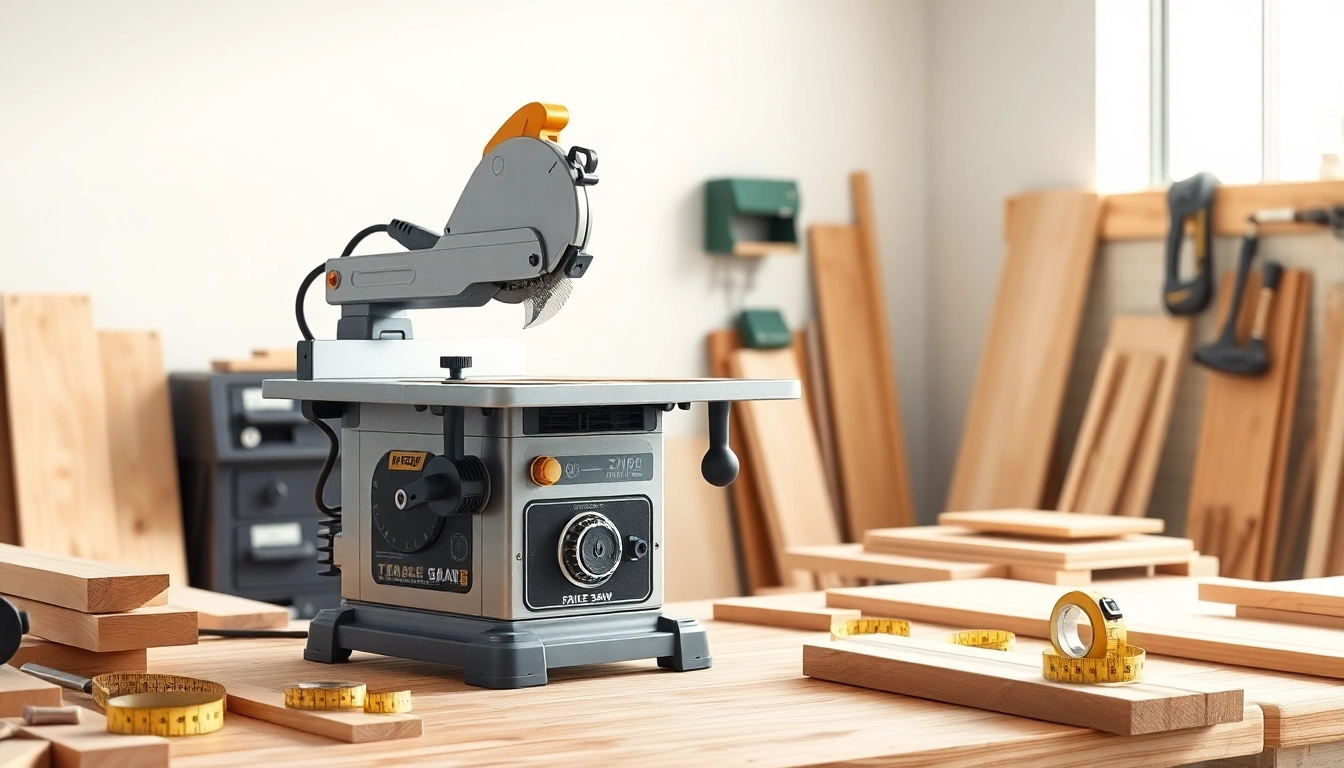
Introduction to Table Mitre Saws
Table mitre saws are essential tools in woodworking, offering precision and versatility for both professional and DIY projects. Combining the functionality of a table saw with the angular cutting capabilities of a mitre saw, these tools allow users to achieve both straight cuts and bevel angles efficiently. Whether you’re framing a house, crafting furniture, or completing intricate woodworking tasks, understanding the significance of a table mitre saw can elevate your craftsmanship and productivity.
What is a Table Mitre Saw?
A table mitre saw, often termed as a combination saw, merges the features of a traditional table saw with advanced mitre saw functionalities. This innovative tool typically consists of a circular saw blade mounted on a sliding arm that can pivot left or right for angled cuts. Unlike standard mitre saws that rest on a base, table mitre saws offer a stable platform that enhances control and encourages more extensive cutting applications.
Key Features and Benefits of Using a Table Mitre Saw
- Versatility: A table mitre saw handles various cuts, including crosscuts, bevel cuts, and compound cuts, making it suitable for different materials like wood, plastic, and metal.
- Precision: The combination of a sturdy table and adjustable angles allows users to achieve precise cuts consistently, essential for professional-grade projects.
- Increased Efficiency: The ability to make quick and accurate cuts reduces wasted material and time, speeding up the overall workflow.
- Safety Features: Most newer models come equipped with safety guards, electric brakes, and blade guards to minimize the risk of injury, ensuring safer operation.
Differences Between Table Saws and Mitre Saws
Understanding the distinctions between table saws and mitre saws is essential for selecting the right tool for your woodworking needs. Table saws are designed primarily for rip cuts—cutting lumber lengthwise. They feature a large flat surface and a blade that rises through a slot, allowing for various angles and depths of cuts. In contrast, mitre saws excel at making angled and crosscuts, particularly in trim work and framing. Using a table mitre saw combines the capabilities of both tools, offering a specialized solution for tasks that require both types of cuts.
Choosing the Right Table Mitre Saw for Your Needs
With numerous models and features available, selecting the ideal table mitre saw can be daunting. However, understanding your specific requirements will make the decision process more straightforward.
Factors to Consider When Selecting a Table Mitre Saw
- Blade Size: Common sizes include 10-inch and 12-inch blades. Larger blades are better for cutting thicker materials but may add weight and cost.
- Dual vs. Compound: A dual bevel saw can tilt both left and right, allowing for more versatile cutting options compared to a single bevel saw.
- Power and RPM: Look for a saw with a robust motor (usually 15 amps or higher) to handle tougher materials effectively.
- Portability: If you plan to move your saw between job sites, consider lighter models with built-in handles or wheels.
Top Brands and Models of Table Mitre Saws in 2026
Some reputable brands dominate the table mitre saw market, offering reliable performance and innovative features. Notable models include:
- DeWalt DWS780: A highly regarded compound mitre saw known for its durability and precision.
- Makita LS1018: Offers a lightweight design and accurate cuts, ideal for small workshops.
- Bosch GCM12SD: Features a unique axial glide system for greater accuracy and cutting capacity.
Budget-Friendly Options vs. High-End Models
When scouting for the right table mitre saw, it’s crucial to balance your budget with the features you require. Budget-friendly options can be suitable for hobbyists or those tackling light projects. High-end models, albeit pricier, often provide enhanced durability, advanced features, and longer lifespans, making them worthwhile investments for frequent users.
Essential Techniques for Using a Table Mitre Saw
Once you’ve selected the right table mitre saw, mastering its operation is paramount for achieving optimal results. Here are essential techniques to get you started.
Setting Up Your Table Mitre Saw for Accurate Cuts
The setup process is crucial for precise cuts. Begin by ensuring that your saw is properly calibrated and aligned. Here’s a quick checklist:
- Verify that the blade is sharp and appropriate for the material you are cutting.
- Check that the miter and bevel angles are set correctly according to your project needs.
- Ensure the workpiece is flat against the fence and secured before cutting.
Common Mistakes to Avoid When Using a Table Mitre Saw
Even experienced woodworkers can make mistakes. Here are common pitfalls to avoid:
- Not using the right blade: Each material requires a specific blade type; using the wrong one can lead to poor cuts and damage.
- Improper safety precautions: Always wear appropriate safety gear and keep hands clear of the cutting area.
- Neglecting maintenance: Regularly check and maintain the saw to ensure top performance and longevity.
Advanced Cutting Techniques for Professional Results
For those looking to take their woodworking to the next level, consider mastering these advanced techniques:
- Compound Cuts: Use the miter and bevel angles together for intricate designs and projects.
- Cutting Templates: Create templates for repetitive cuts to enhance efficiency and consistency.
- Using a Stop Block: A stop block can help make multiple cuts of the same length quickly and accurately.
Maintenance and Safety Tips for Table Mitre Saws
Keeping your table mitre saw in top condition is vital for ensuring safety and performance. Here are essential maintenance and safety tips.
Routine Maintenance Practices for Longevity
- Blade Maintenance: Regularly clean and sharpen blades to maintain cutting efficiency.
- Lubrication: Keep moving parts well-lubricated to avoid wear and tear.
- Dust Management: Use dust collection systems to keep the workspace tidy and improve visibility.
Safety Gear and Precautions When Operating a Table Mitre Saw
Safety should always be a priority when using power tools. Here are recommended safety precautions:
- Eye Protection: Use safety glasses to protect against debris.
- Hearing Protection: Implement ear protection if operating in noisy environments.
- Personal Protective Equipment: Always wear gloves and avoid loose clothing when using the saw.
Understanding Blade Types and Their Applications
Different blades serve various cutting purposes. Understanding the types of blades available can enhance your cutting capabilities:
- Crosscut Blades: Ideal for cutting across the grain.
- Rip Blades: Designed for running along the grain of wood.
- Combination Blades: Versatile options suitable for both crosscutting and ripping.
The Future of Table Mitre Saws in Carpentry
The advancement of technology continues to shape the tools we use in woodworking. Here’s what to expect for table mitre saws in the coming years.
Innovative Features Coming in Table Mitre Saws
Future table mitre saws are poised to incorporate advanced features such as:
- Smart Technology: Integration with smartphones for real-time adjustments and measurements.
- Automatic Blade Elevation: Automated systems for adjusting the height of the blade for different cuts.
Predictions for Miter Saw Technology in 2026 and Beyond
Looking ahead, innovations in battery technology may lead to more powerful cordless table mitre saws, allowing for greater flexibility in job site applications. Additionally, we may see enhanced safety features that further protect users during operation.
How to Stay Updated on Trends in Table Mitre Saws
To keep abreast of the latest developments in table mitre saw technology, consider engaging with woodworking communities online, attending trade shows, and subscribing to industry publications. For more information, Mister Worker offers valuable insights. These resources can provide valuable insights and help you stay informed about the best practices and innovations in the field.